
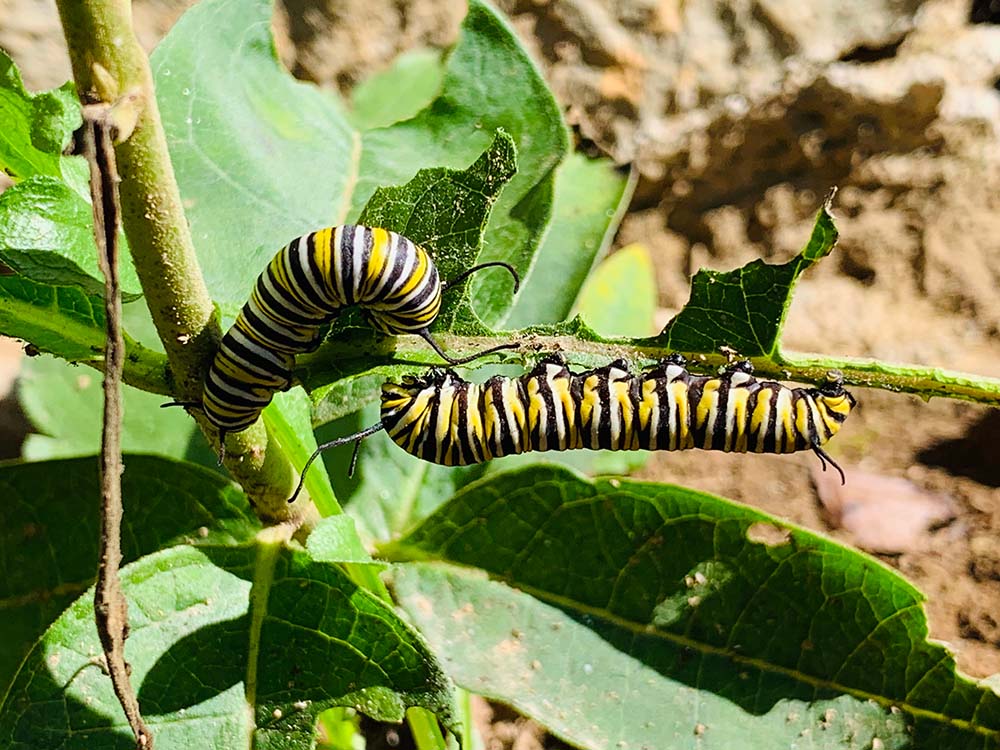
Monarch butterflies (Danaus plexippus) are one of the most recognizable and beloved species in North America—but their populations have declined drastically in the last 20 years due to habitat loss, pesticide use, and climate change. One of the most effective ways to help monarchs is to plant native milkweeds (Asclepias species), their only host plants for egg-laying and caterpillar development.
Research shows that swamp milkweed (Asclepias incarnata) is a particularly important species for monarch conservation. In field studies, monarchs strongly prefer A. incarnata for egg-laying compared to other milkweeds, likely due to its abundance, leaf texture, and chemical profile (Milkweed Isn’t Only for Monarchs). This makes A. incarnata a key species for restoration and pollinator garden projects.
Beyond supporting monarchs, milkweeds also benefit a diversity of pollinators, including native bees, butterflies, and hummingbirds. Swamp milkweed produces vibrant pink blooms that provide nectar throughout summer, and its deep roots help filter water and stabilize soil.
By planting Asclepias incarnata and other native milkweeds in your yard or restoration project, you are creating critical breeding habitat for monarchs while contributing to broader ecosystem health. Every milkweed planted is a step toward sustaining this iconic species for generations to come.