
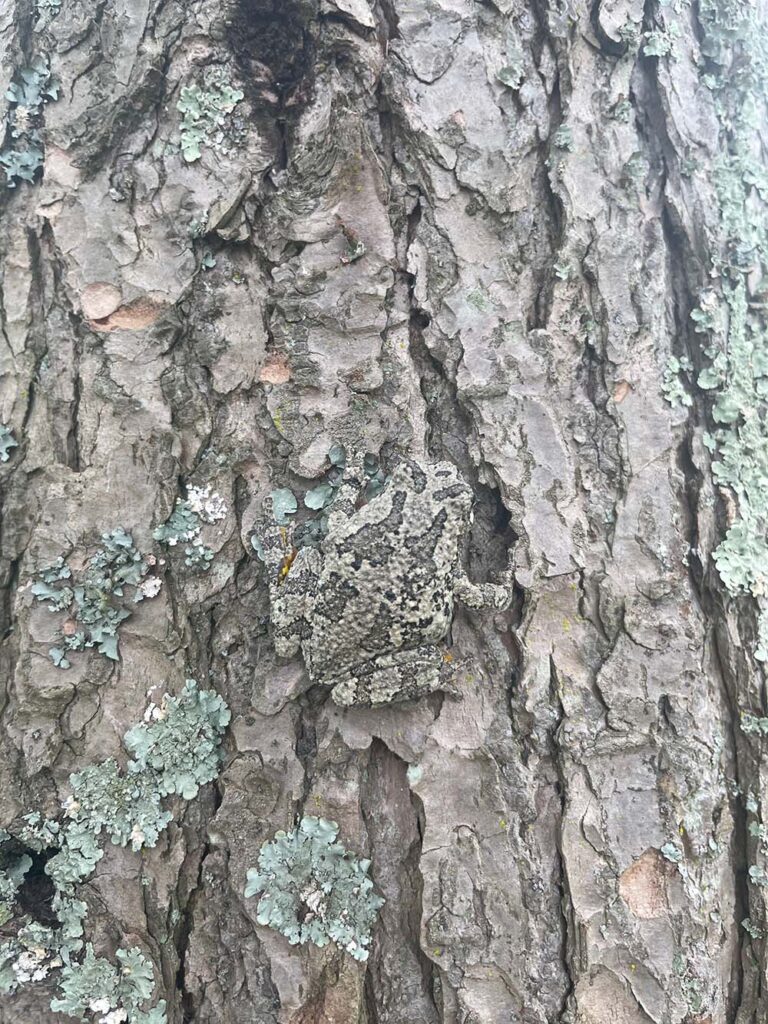
Pesticides Kill More Than Pests
Spraying your native plants with popular pesticides may control aphids, but it also harms bees, butterflies, and other beneficial insects. Never spray flowering plants, as any pollinator that visits the flower will be poisoned.
Skip the chemicals: use water sprays, mechanical removal or just let them be. Although a caterpillar or other critter eating your plants doesn’t look pretty, it means those plants are doing what they are meant to and supporting native wildlife. Protect your plants, protect the wildlife that depends on them.
Herbicide Alternatives for Herbaceous Plants and Grasses:
1. Manual Removal
Hand Pulling: Effective for small infestations or young plants. Ensure that the entire root system is removed to prevent regrowth.
Digging or Hoes: For tougher or deeply rooted plants, using a garden hoe or trowel can remove roots. Best done when soil is moist.
2. Smothering / Solarization
Mulching: Apply thick layers of organic mulch (wood chips, straw, leaves) to block sunlight and prevent weed growth.
Landscape Fabric: Heavy-duty fabrics or cardboard under mulch can be used for long-term suppression of invasive grasses.
Solarization: Cover infested areas with clear plastic for several weeks during sunny periods. The heat from the sun kills seeds and young plants.
3. Mechanical Control
Mowing or Cutting: Repeated mowing or cutting can weaken grasses and herbaceous weeds over time by exhausting stored energy in roots.
Tilling: Rototilling or turning the soil can control some weeds, though it may disturb soil structure and encourage seed germination if done improperly.
4. Smother Crops or Cover Crops
Dense Planting: Planting fast-growing native groundcovers or cover crops can outcompete weeds, reducing their growth.
Allelopathic Plants: Certain plants (like rye or buckwheat) release natural compounds that suppress weeds when used as cover crops.
5. Vinegar or Acetic Acid
High-Strength Acetic Acid: Some horticultural vinegars (20% or more acetic acid) can damage foliage. Must be used with caution as they are non-selective and can harm desirable plants.
Spot Treatment Only: Apply directly to leaves of unwanted plants on dry, sunny days for best effect. 6. Flame Weeding.
Propane Flame Tools: Brief exposure to intense heat collapses cell walls of young plants. Effective for small areas, paths, or between rows. Avoid flowering plants to protect pollinators.
Alternatives to Herbicides for Invasive Trees & Shrubs
Tips for Success
Persistence is key: Most mechanical methods take repeated effort over 1-3 seasons. Avoid spreading seeds: Cut or remove seed heads before they ripen.
Combine methods: Mechanical removal + smothering + repeated pruning accelerates control. Promote natives: After removal, replant with native trees and shrubs to prevent reinvasion.
1. Mechanical Removal
Cutting / Mowing: Use saws, loppers, or brush cutters to remove small to medium shrubs or saplings.
Repeated cutting (every 4–6 weeks during the growing season) can eventually exhaust the plant’s energy reserves.
Best for non-flowering periods to reduce seed dispersal.
Pulling / Digging: Effective for young seedlings and saplings.
Dig deep to remove the root crown; leftover roots may resprout.
2. Girdling / Cut-Stump Techniques
Girdling: Remove a strip of bark around the trunk (circumference) to interrupt nutrient flow. Works for medium-to-large trees but is slow; may take 1–2 growing seasons to die.
Cut-Stump Management (without chemicals): After cutting, cover the stump with a tarp or thick mulch to prevent regrowth.
3. Root Excavation
Mechanical Root Removal: For small infestations, excavating roots can prevent resprouting.
Requires patience and persistence; larger shrubs may be impractical.
5. Repeated Defoliation / Foliar Suppression
Effective for multi-stemmed shrubs that sprout from roots. 6. Biological Control (Where Appropriate)
Targeted Grazing: Goats or sheep can browse invasive shrubs like multiflora rose, privet, or honeysuckle. Must be managed carefully to avoid overgrazing natives.
Natural Predators: Some regions have approved insect or fungal biocontrols for specific invasive species. Check local regulations and consult conservation authorities.