
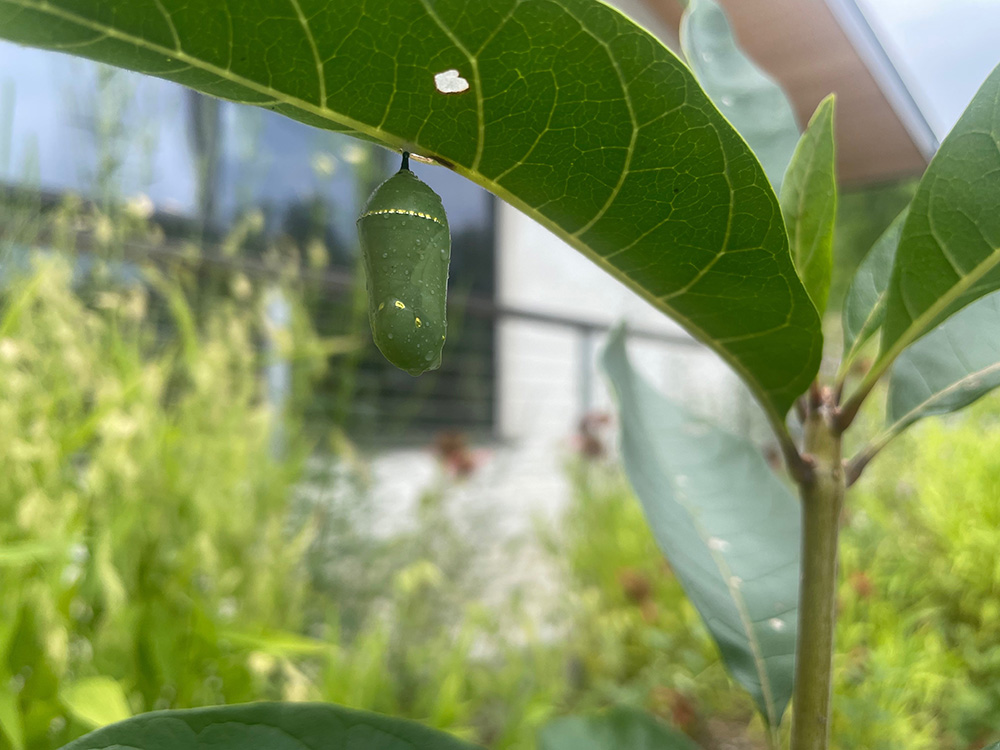
Butterflies are not only beautiful pollinators but also sensitive indicators of ecosystem health. In West Virginia, habitat loss, invasive plants, and climate change threaten many species, particularly specialist butterflies that rely on a narrow set of host plants for egg-laying and caterpillar development. Protecting these butterflies means protecting and restoring their host plants.
Some key examples of West Virginia butterfly species and their host plant relationships:
- Spicebush Swallowtail (Papilio troilus): Relies on spicebush (Lindera benzoin) and sassafras (Sassafras albidum). Planting these shrubs provides critical egglaying habitat.
- Pipevine Swallowtail (Battus philenor): Lays eggs exclusively on Pipevine (Aristolochia macrophylla), whose toxins protect caterpillars from predators.
- Zebra Swallowtail (Eurytides marcellus): Depends entirely on Pawpaw (Asimina triloba). Pawpaw patches are essential to maintaining this species in WV.
- Eastern Tiger Swallowtail (Papilio glaucus): Uses a variety of trees including wild cherry (Prunus serotina), tulip poplar (Liriodendron tulipifera), and willow (Salix spp.).
- Common Wood-Nymph (Cercyonis pegala): Caterpillars feed on native grasses such as Andropogon gerardii (big bluestem) and Panicum virgatum (switchgrass).
- Diana Fritillary (Speyeria diana): Uses violets (Viola spp.) as its sole larval food source. These low-growing woodland plants are vital for this rare Appalachian species.
- Appalachian Azure (Celastrina neglecta): Relies on a variety of woodland plants, including black cohosh (Actaea racemosa) and New Jersey tea (Ceanothus americanus).